
How Does a Loudspeaker Work?
Loudspeakers are everywhere – from home setups to events, they’re the driving force behind the sounds we enjoy. Whether you’re setting up a PA system for an event or simply curious about the tech, understanding how loudspeakers work helps you appreciate them more. In this guide, Lancashire PA Hire breaks down the essentials so you can get the best sound experience.
The Main Parts of a Loudspeaker
Each loudspeaker has key components that allow it to turn electrical signals into sound:
1. The Cone
The cone, often made of paper, plastic, or metal, moves to create sound waves. It’s the part of the speaker you see vibrating back and forth, creating the sounds we hear.
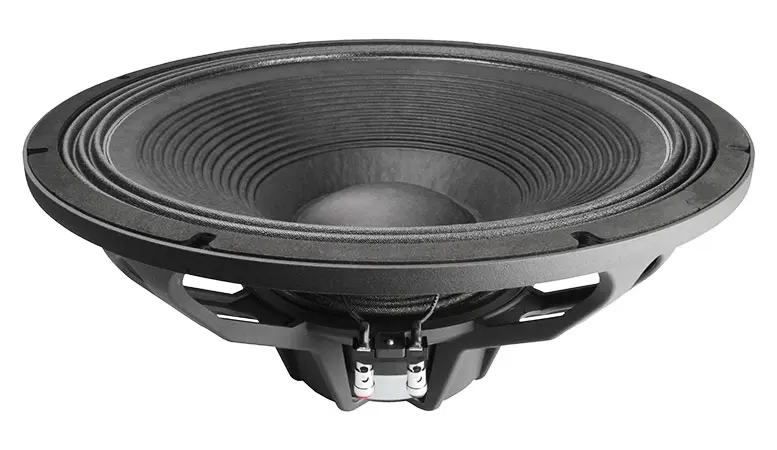
Image: Faital Pro – 18HP1042
2. Voice Coil
The voice coil is a crucial part of a loudspeaker that turns electrical signals into movement. It’s made up of a thin wire coiled around a cylinder, located in a magnetic field created by the speaker’s magnet. When electrical current flows through the coil, it becomes magnetized, creating an electromagnetic field. This field interacts with the speaker’s permanent magnet, causing the coil to move back and forth. Since the voice coil is attached to the cone, this motion pushes the cone in and out, creating vibrations that turn into sound waves.

Image: Loudspeaker voice coil – SparkedEd
3. Magnet
Positioned around or within the voice coil, the magnet ensures that the coil sits within a magnetic gap, a carefully shaped space where the magnetic field is most concentrated. When an electrical signal from an amplifier flows through the voice coil, it interacts with this magnetic field, creating an opposing electromagnetic field in the coil itself. The attraction and repulsion between these fields causes the voice coil to move rapidly back and forth.
This movement of the voice coil pushes and pulls on the speaker cone, producing vibrations that generate sound waves. The strength and quality of the magnet directly impact the speaker’s efficiency, clarity, and volume potential. Stronger magnets, like neodymium, can make speakers more efficient at converting electrical energy to sound and produce clearer sound with lower distortion.

Image: Loudspeaker magnet guide
4. Suspension Component
In a loudspeaker, the suspension components—primarily the spider and the surround—play a critical role in ensuring the smooth and precise movement of the cone.
The Spider
The spider, often a corrugated or pleated disk made of flexible materials, sits behind the cone and attaches to the frame, or basket, of the loudspeaker. Its main job is to keep the voice coil perfectly centered in the magnetic gap while allowing it to move back and forth freely in response to electrical signals. By maintaining this alignment, the spider prevents the voice coil from rubbing against the sides of the magnetic gap, which could create unwanted friction, distortion, or even permanent damage to the speaker.

Image: Loudspeaker Spider
Because of its spring-like properties, the spider provides a balanced restoring force that returns the cone and voice coil to a neutral position after each vibration. This helps produce smooth, undistorted sound by ensuring that the cone only moves in response to the electrical signals from the amplifier.
The Surround
The surround, typically a ring of rubber, foam, or treated fabric, connects the outer edge of the cone to the speaker frame, sealing the front and back of the cone from each other. Its flexibility allows the cone to move forward and backward easily while keeping it aligned during each vibration cycle. The surround also helps dampen excessive cone movement, reducing the chance of “cone breakup” at higher volumes, which can introduce harsh sounds or distortions.
Why Suspension Alignment Matters
For a loudspeaker to work efficiently, it’s essential that the cone moves in a straight line. Misalignment would mean that the voice coil could hit the walls of the magnetic gap, causing friction that affects both sound quality and the longevity of the speaker. A misaligned cone might also produce uneven sound pressure, which can lead to a distorted or unbalanced sound output.
In short, the spider and surround work together to stabilize and center the cone’s movement, allowing the loudspeaker to reproduce clear and accurate sound without distortions or mechanical interference. Without proper suspension, the loudspeaker would lose precision, resulting in poor audio fidelity and potentially damaging the voice coil or cone.
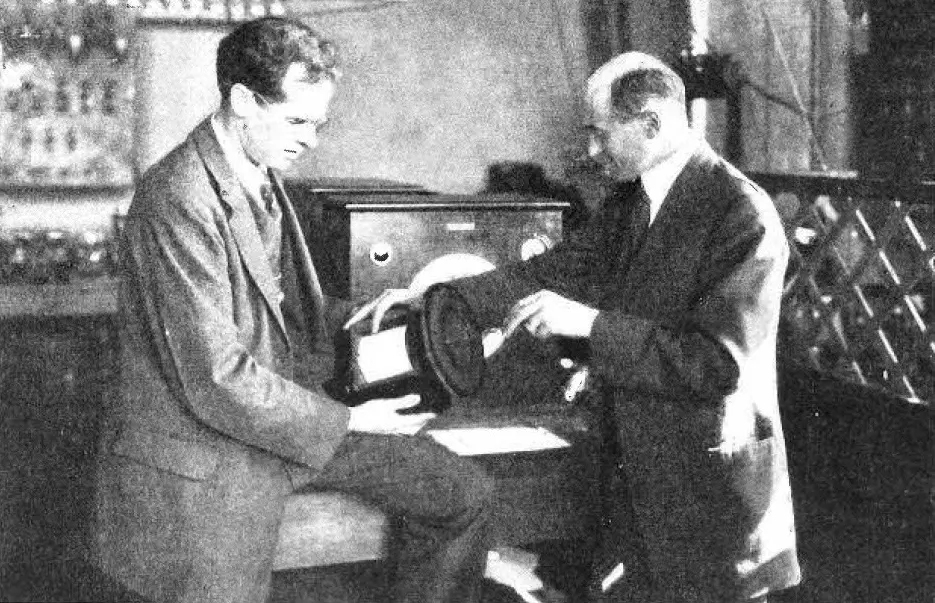
The History of Loudspeakers
Early loudspeakers date back to the late 19th century, but the modern loudspeaker was developed by Edward Kellogg and Chester Rice in 1925. Since then, loudspeakers have evolved to suit everything from portable devices to massive PA systems, adapting with technology.
How Loudspeakers Turn Electricity into Sound
At its core, a loudspeaker takes an electrical audio signal—essentially, small pulses of electricity—and turns it into sound waves that we can hear. Here’s a breakdown of how it works:
Electrical Signal to Magnetic Force
When an audio signal (electrical current) flows through the speaker’s voice coil—a coil of wire around a magnet—it creates a magnetic field around the coil. This magnetic field interacts with the permanent magnet inside the speaker. Depending on the direction of the current, the coil and the attached cone are either pulled toward or pushed away from the magnet.
The Cone’s Movement
As the current continuously changes direction (thanks to the audio signal from music or speech), the coil moves back and forth. Since the cone is connected to the coil, it moves back and forth too, creating vibrations.
Air Vibration Equals Sound
These vibrations push and pull on the surrounding air. When the cone moves forward, it compresses the air in front of it, and when it moves backward, it creates a small vacuum, or low-pressure area. This rapid movement in the air creates sound waves—the same way our voices create sound when we speak.
Sound Waves to Your Ears
The sound waves travel through the air and eventually reach our ears, where our eardrums pick up these vibrations and our brains interpret them as music, voices, or other sounds.
How Speakers Make Sounds of Varying Volume and Frequency
Speakers play sounds at different volumes by varying how much the cone vibrates. Louder sounds are made when the cone moves farther in each direction, while quieter sounds require less movement. The frequency, or pitch, depends on the cone’s speed – faster movements create higher pitches, while slower ones produce lower sounds.
What are Loudspeakers Used For?
Loudspeakers are used in various settings to amplify sound, from home entertainment systems to professional PA setups for events. They play an essential role in broadcasting music, announcements, and sound effects, making them a key component in both entertainment and communication.
How Long Do Loudspeakers Last?
On average, well-maintained loudspeakers can last 10-20 years. Environmental factors like humidity and extreme temperatures can affect their lifespan, so regular checks and suitable storage can help them last even longer.
Can Loudspeakers Damage Your Hearing?
Loudspeakers can damage hearing if the volume is too high. For safe listening, avoid prolonged exposure to volumes above 85 decibels. Keeping speakers at a moderate level, especially in enclosed spaces, ensures a safe and enjoyable listening experience.
How to Find the Right Loudspeaker for Your Needs
Finding the right loudspeaker depends on your purpose. For home use, a small system may be enough, while events may require larger speakers with higher power ratings. Consider where you’ll use them and the volume levels you need. PA systems, for example, are designed for wide coverage and clear sound, perfect for larger gatherings.
How to Make Your Speakers Sound Better
Placement
Proper speaker placement helps sound fill the space effectively. Place speakers at ear level and avoid putting them directly against walls to prevent sound distortion.
Avoiding Obstructions
Keep the area around your speakers clear. Objects like furniture or decorations can block or distort sound.
Use Speaker Stands
For optimal performance, use stands to position speakers at the correct height. This reduces unwanted reflections from floors and surfaces, providing a clearer sound experience.
Listening with Both Ears: Stereo, Quad, and Binaural
Stereo sound uses two speakers to create a soundstage, allowing listeners to hear different sounds from each speaker, creating a “3D” experience. Quad sound adds two additional speakers, bringing sound from behind, while binaural recordings use headphones to create a realistic, lifelike sound.